

About Bhutan
- Home
- About Bhutan
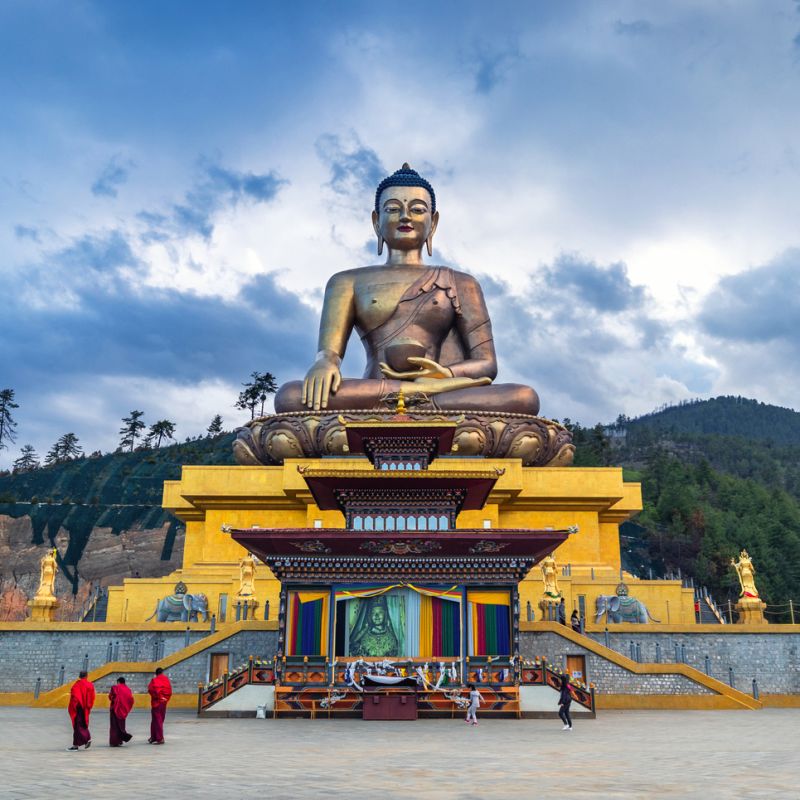
About Bhutan
The country, initially known by various names like Lho Jong and Lho Mon Kha Shi, derived its current name, Druk Yul or The Land of the Drukpas, in the 17th century. This name reflects the dominance of the Drukpa sect of Buddhism, introduced after Buddhism supplanted the earlier Bonism in the 7th century under the influence of Tibetan King Songtsen Gampo and Guru Rimpoche.
![HD-wallpaper-palace-of-the-king-of-bhutan-travel[1]](https://solatravels.com/wp-content/uploads/elementor/thumbs/HD-wallpaper-palace-of-the-king-of-bhutan-travel1-r3k89m1e2ux8nwpz0pr88rmop1ahnkaovkwwr3wpl4.jpg "HD-wallpaper-palace-of-the-king-of-bhutan-travel[1]")
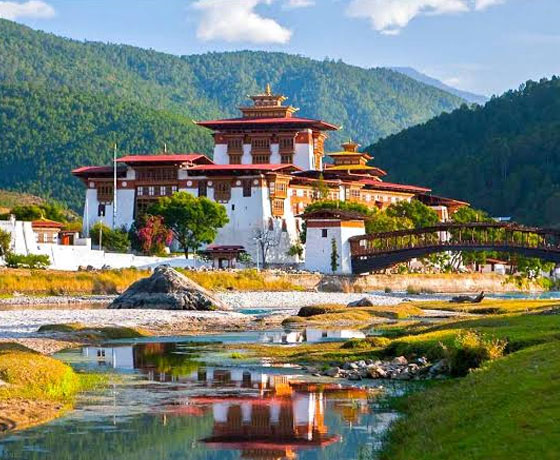
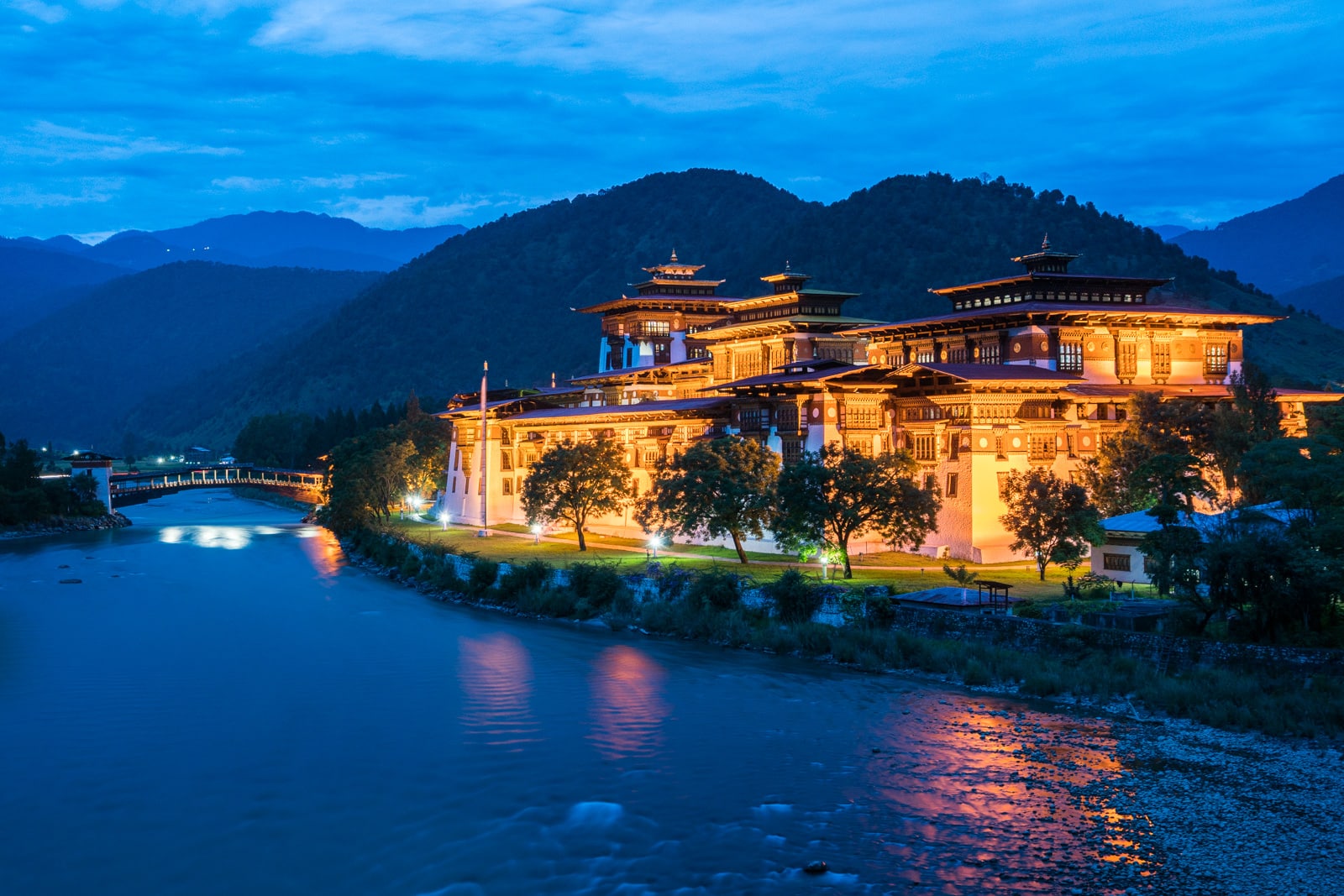
Jigme Singye Wangchuck abdicated in 2006 in favor of his son, Jigme Khesar Namgyel Wangchuck, who became King. This transition reflected Bhutan’s commitment to its evolving democratization process, leading to the promulgation of a new constitution in 2008.
Language
Bhutan is linguistically diverse, with several languages spoken throughout the country. The official language is Dzongkha, which is spoken by the majority of the population and used in government, education, and official communication. However, there are also several other languages spoken by various ethnic groups. Some of the prominent languages include:
- Sharchop: Spoken by the Sharchop ethnic group in eastern Bhutan, Sharchop is one of the most widely spoken languages in the country after Dzongkha.
- Nepali: Nepali-speaking communities, primarily descendants of Nepali immigrants, reside in southern Bhutan. Nepali is widely spoken in these communities.
- Bumthap: Bumthanp is spoken in the Bumthang District of central Bhutan. It is closely related to Dzongkha but has its own distinct dialects.
- Tshangla: Tshangla is spoken by the Tshangla ethnic group in eastern Bhutan. It is also spoken in parts of neighboring Arunachal Pradesh in India.
- Lhotshamkha: Lhotshamkha is a term used to refer to the dialects of the Lhotshampa community, which primarily consists of ethnic Nepalis. These dialects are influenced by Nepali but also contain elements of Dzongkha and other languages.